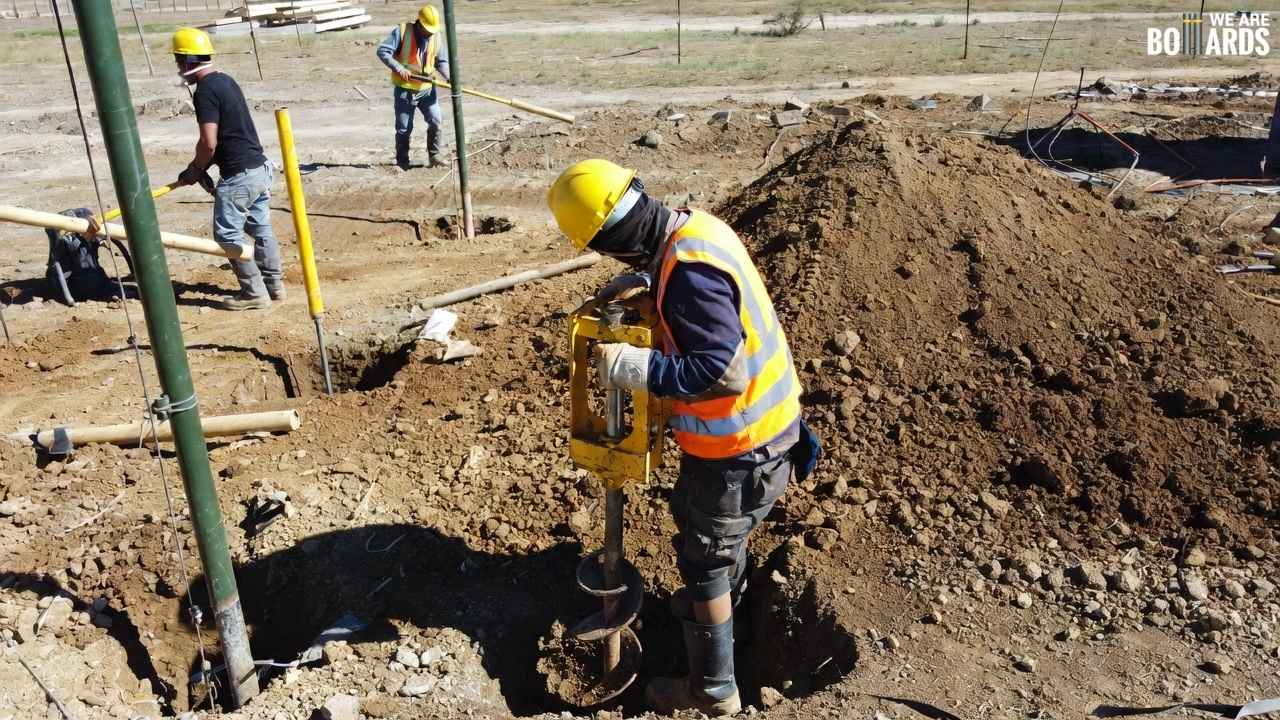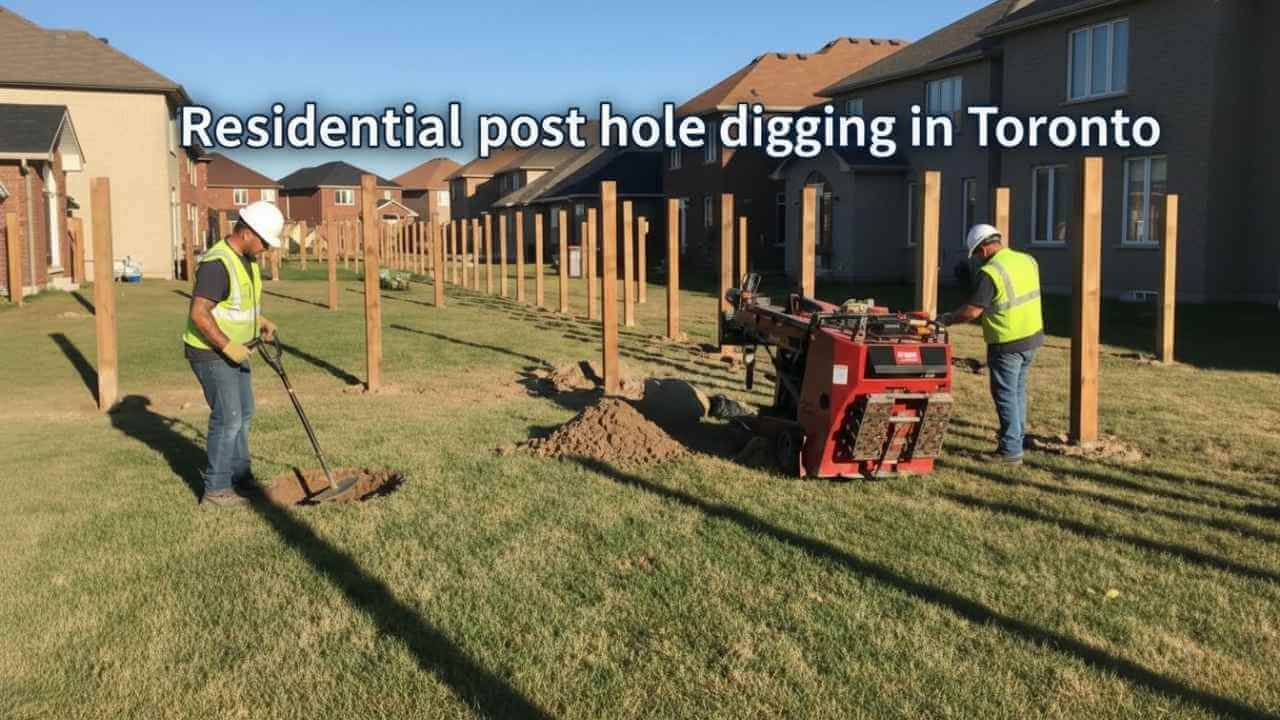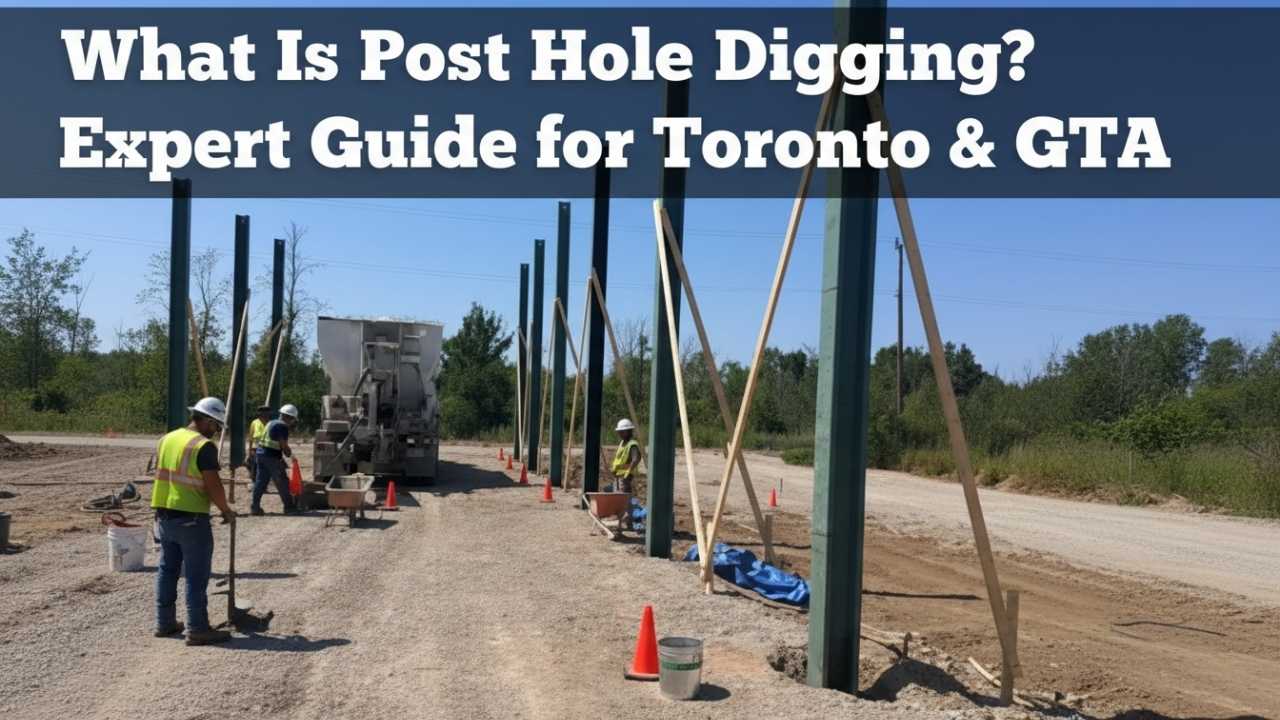
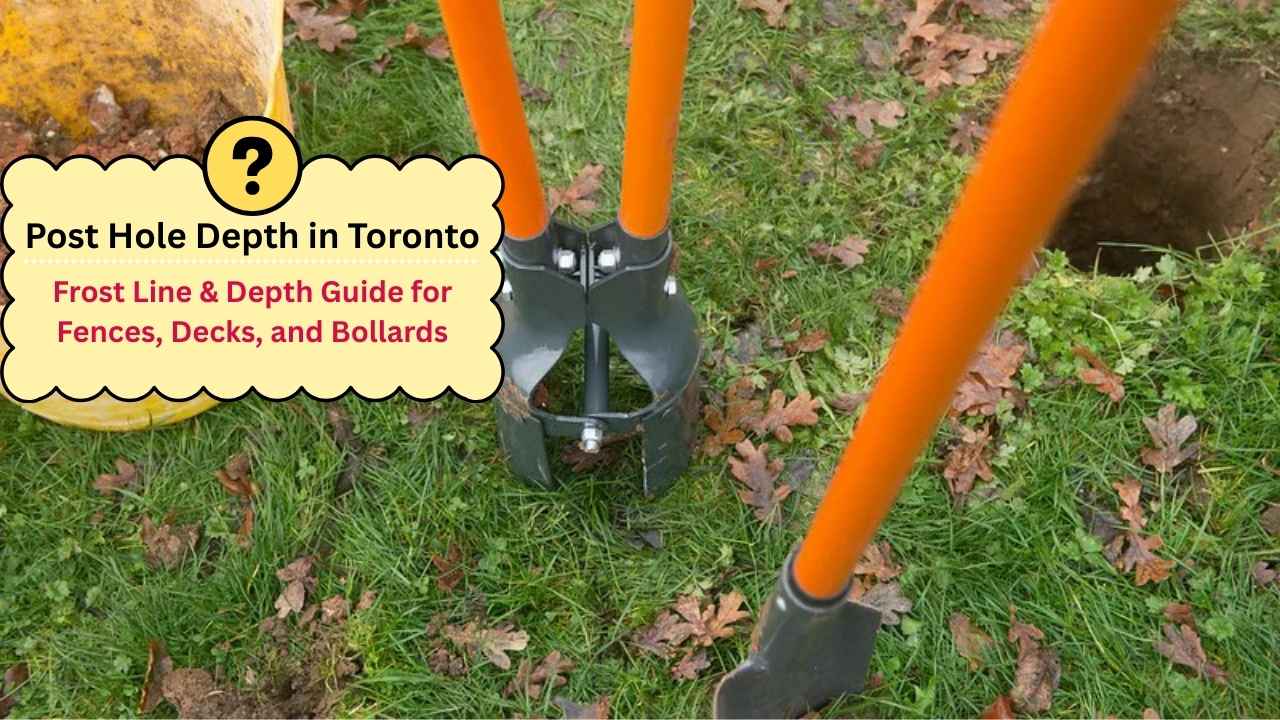
If you plan to build a fence, deck, or even install a bollard, one question decides whether your project stays strong for years: how deep should the post holes be? Many people guess the depth or follow random advice online. But Toronto’s weather makes this a serious decision. The ground freezes in winter, the soil moves, and shallow holes can cause posts to lean, shift, or even pop out.
You’re here because you want to do it right. You want a simple answer, clear guidance, and no complicated construction talk. So let’s walk through this together. We’ll explain why depth matters, how Toronto’s frost line affects your project, and the exact depths you should use for different structures. Once you understand these basics, you’ll feel confident about every hole you dig.
And the first thing you need to know is this: Toronto’s climate shapes everything about post hole depth. Let’s break that down.
Why Post Hole Depth Matters in Toronto’s Climate
Post hole depth is not a small detail in Toronto. The weather here puts a lot of pressure on anything installed in the ground. Winter freezes the soil, then spring thaws it. This movement happens again and again every year. When a hole is too shallow, the soil pushes the post upward. This is frost heave, and it is the main reason posts tilt, shift, or break during winter.
The freeze–thaw cycle also plays a big role. Water in the soil turns to ice, expands, and creates pressure around the post. When the ice melts, the soil becomes loose again. This up-and-down motion can easily move a post that isn’t deep enough. A hole below the frost line stays in stable soil, so the post stays firm and steady all year.
That is why depth matters so much in Toronto. Shallow holes fail. Proper depth protects your structure from winter movement, soil pressure, and long-term damage.
Now that this is clear, the next question becomes simple:
How deep does the frost actually reach in Toronto?
That’s what the next section explains.
What Is the Frost Line in Toronto?
If you want to choose the right post hole depth in Toronto, you first need to understand the frost line. The frost line is the deepest point in the ground where the soil freezes during winter. When the soil freezes, it expands. When it thaws, it moves again. This movement creates pressure under anything buried in the ground.
In Toronto, winter gets cold enough to freeze the soil much deeper than most people expect. If your post holes stay above this frozen layer, the ground will push your posts upward every winter. That is why the frost line matters so much. You must dig below it if you want strong and stable posts that stay in place for years.
Think of it this way:
If you stay above the frost line, the ground controls your post.
If you go below it, you control the post.
Contractors in Toronto follow frost line depth to avoid frost heave, tilting, cracking, and long-term damage. When your post sits in soil that does not freeze, it stays stable through all seasons, even in harsh winters.
Now that you understand what the frost line is, the next thing you need to know is the exact frost line depth that Toronto contractors use today and why that number matters.
Recommended Post Hole Depths in Toronto (Decks, Fences, Bollards)
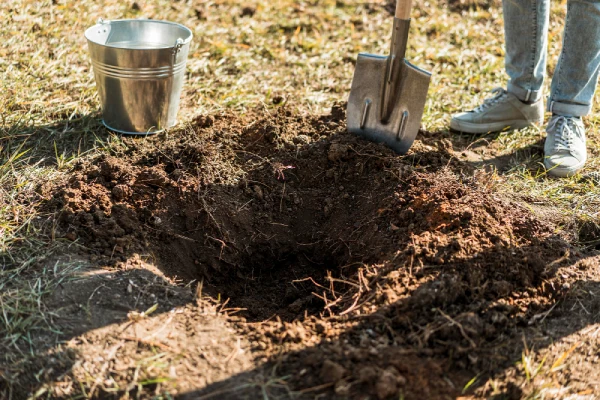
Now that you understand the frost line, let’s look at the exact depths you should follow for different projects in Toronto. You and I both know that every structure needs the right support, and depth plays a huge role. If you go too shallow, winter will push your posts around. If you hit the right depth, your structure stays strong for years.
Here’s what you need to follow for decks, fences, and bollards in Toronto’s climate.
Deck Post Depth in Toronto
Decks carry a lot of weight, so they need deeper footings. In Toronto, most deck posts go 42″ to 48″ deep because this depth moves you below the frost line. When your footing sits in stable soil, you get a solid base that won’t shift during winter. This depth also matches what most contractors and building codes expect across the GTA.
Fence Post Hole Depth in Toronto
Fences don’t carry as much load as decks, but they still deal with wind, soil movement, and winter frost. For a standard 4×4 fence post, you should dig around 32″ to 36″ deep. This gives you enough stability while still keeping the post below the frost danger zone. If your fence sits in clay or an open, windy area, going a little deeper often gives better long-term strength.
Bollard Post Hole Depth Requirements
Bollards need the most support because they protect property and block vehicle impact. For most bollards in Toronto, the hole goes around 36″ to 48″ deep, depending on the type and purpose. Security bollards and driveway bollards often need extra depth and more concrete because they take direct force.
Toronto Soil Types and Their Impact on Post Hole Depth
Soil in Toronto is not the same everywhere. The type of soil under your project changes how deep your post holes need to be. Some soils hold posts firmly. Others move a lot in winter. Knowing your soil type helps you dig the right depth and keeps posts stable for years.
Toronto mainly has clay, sandy, or mixed soil:
- Clay soil is heavy and holds water. It swells when wet and freezes in winter. Shallow posts in clay soil can get pushed around by frost.
- Sandy soil drains water quickly and does not swell. But it can be loose, so posts need extra depth for stability.
- Mixed soil has bits of both clay and sand. Its behavior depends on location and weather.
The rule is simple: the more the soil moves or swells, the deeper the post hole should be. Digging to the correct depth protects your posts from frost heave and keeps them steady.
Next, let’s compare clay and sandy soil to see which one needs deeper holes and why.
Concrete vs. No-Concrete Post Holes in Toronto Weather
When digging post holes in Toronto, one big question comes up: should you use concrete or not? Both methods work, but the soil type, frost line, and winter weather make a difference. Choosing the right method keeps posts stable and strong.
Concrete post holes give extra strength. They lock posts into place and protect them from frost heave and soil movement. This is especially important for fences, decks, or bollards that carry weight or face wind and snow. Posts in concrete rarely move, even in freezing temperatures.
No-concrete post holes can work too, but they need proper soil compaction. Sand or gravel at the bottom adds stability. This method is faster and cheaper, but it can fail if the soil expands or freezes. Posts may shift or tilt over time.
Here’s a simple rule:
- Use concrete for heavy posts, high-traffic areas, or clay soil that swells in winter.
- You can skip concrete for light posts or well-drained sandy soil, but dig deeper and compact the soil well.
Understanding how concrete and no-concrete methods react to Toronto’s winter helps you make the right choice. Next, we’ll look at common mistakes people make when digging post holes and how to avoid them.
Common Post Hole Digging Mistakes in Toronto and How to Avoid Them
Digging post holes may seem simple, but many homeowners in Toronto make mistakes that cost time, money, and stability. Let’s look at the most common errors and how you can avoid them.
1. Shallow Holes
One of the biggest mistakes is digging post holes too shallow. If your hole is above the frost line, winter frost will push your posts upward. This causes leaning fences, wobbly decks, and unstable bollards. Always dig below the frost line to keep posts steady through freeze–thaw cycles.
2. Ignoring Soil Type
Clay, sandy, or mixed soil behaves differently. Some homeowners forget to adjust depth or footing for soil type. Clay expands when wet and can lift shallow posts. Sandy soil drains quickly but needs deeper holes for stability. Check your soil and adjust depth accordingly.
3. Improper Concrete Use
Concrete adds strength, but some people pour too little or too much. Too little concrete fails to hold the post. Too much can trap water and accelerate decay. Use the right mix and make sure the post sits solidly in the footing.
4. Not Compacting the Soil
When you skip compacting soil around posts, they can lean or tilt over time. Even if the hole is the right depth, loose soil reduces stability. Always tamp the soil firmly before and after placing the post.
5. Skipping Professional Advice
DIY might seem easy, but winter in Toronto adds challenges. Consulting professionals or following local codes ensures your posts last longer and remain safe.
By avoiding these mistakes, you can save headaches and make sure your posts stay strong for years.
How Professionals Determine the Correct Depth in Toronto
If you want your posts to stay strong and straight for years, knowing the right depth is key. Professionals don’t guess they follow a careful process that considers Toronto’s soil, frost, and weather conditions.
1. Check the Frost Line
Experts first check how deep the frost goes in your area. Toronto’s frost line is deeper than many people think. Digging below it prevents posts from heaving or tilting during winter.
2. Analyze the Soil
Soil type affects stability. Professionals examine whether the soil is clay, sand, or mixed. Clay expands in winter, and sandy soil drains quickly. Knowing this helps them adjust hole depth and post support.
3. Calculate the Load
The type of structure matters too. Heavy fences, decks, or bollards need deeper and stronger holes than light posts. Professionals calculate the weight each post will carry to ensure stability.
4. Follow Building Codes
Toronto has building rules for post installation. Professionals make sure the hole depth meets code requirements. This keeps your property safe and prevents problems with inspections.
5. Use Proper Materials
Finally, experts decide whether to use concrete or compacted soil. They pick the method that fits the structure, soil, and climate, making your posts last longer.
By following these steps, professionals make sure your posts stay secure year-round. Doing it right the first time saves you repairs, costs, and headaches later.
Frequently Asked Questions
1. What is the frost line depth in Toronto?
In Toronto, the frost line usually goes about 4 feet deep. This means your post holes need to go below this line. Digging deeper keeps your posts stable in winter and prevents them from moving or tilting.
2. Is 2 feet deep enough for a post hole?
No, 2 feet is not enough in Toronto. The ground freezes deeper than that. If you dig only 2 feet, your post can heave in winter and cause damage to your fence, deck, or bollard.
3. Should post holes be below the frost line?
Yes. Always dig below the frost line. It stops the soil from pushing posts up when it freezes. This keeps your structure safe and long-lasting.
4. How deep should deck posts be?
Deck posts need to go at least 4 feet deep in Toronto. For heavy decks, your contractor may go even deeper. The goal is to keep your deck level and prevent it from shifting over time.
5. How about fence posts?
For a standard 4×4 fence post, dig at least 3.5–4 feet deep. Taller fences or heavier materials might need deeper holes. Always check the soil type too — clay may need extra depth.
6. Do bollards need special depth?
Yes. Bollards carry a lot of force, especially if they block vehicles. Professionals usually dig 4–5 feet deep and use concrete for added strength. You can learn more about our bollard installation services here.
Final Recommendation
For strong, long-lasting posts in Toronto, always dig below the frost line and adjust depth for your soil and structure type. Use concrete when needed to prevent shifting or frost damage. Following these steps ensures your fences, decks, and bollards stay safe and durable for years. For professional installation and expert guidance, trust We Are Bollards to get the job done right.